
Embarking on a website redesign project is an exciting opportunity to revitalise your online presence and elevate your brand. Whether your current website is outdated, not responsive, or failing to meet user expectations, a well-executed redesign can significantly improve user experience and drive better results. However, website redesign projects can be complex and challenging without a proper plan.
In this article, we will explore essential tips for successful website redesign projects, guiding you through the process with clear and concise reasoning.
Define your goals and objectives
Before diving into the design phase, it’s crucial to establish clear goals and objectives for the website redesign. Analyse your current website’s strengths and weaknesses and identify areas that require improvement. Are you aiming to increase online sales, boost lead generation, or improve user engagement? Understanding your goals will help shape the redesign process and enable you to measure its success effectively.
A well-defined set of objectives will also provide guidance to the design team, allowing them to align their efforts with your business goals. Whether it’s a modern and responsive design, improved navigation, or enhanced content, having specific objectives in mind will help streamline the redesign process.
When defining your goals, consider the current pain points of your existing website. Are visitors bouncing off certain pages, or is your conversion rate lower than expected? Addressing these pain points through the redesign will lead to a more effective website that caters to your audience’s needs.
Understand your target audience
A successful website redesign is one that caters to the needs and preferences of your target audience. Take the time to gather data and insights about your website’s users. Analyse user behaviour, conduct surveys, and gather feedback to understand what visitors like or dislike about your current website.
Understanding your audience’s preferences will enable you to create a user-centric design that resonates with your target demographic. Tailoring the redesign to your audience’s preferences will lead to increased user satisfaction, higher engagement, and improved conversions.
In addition to analysing your existing audience, consider conducting competitor research to identify gaps and opportunities. By understanding what your competitors are doing well or lacking, you can find ways to differentiate your website and provide a unique value proposition to your target audience.
Perform a comprehensive content audit
A website redesign is an excellent opportunity to evaluate and refresh your content strategy. Perform a comprehensive content audit to identify outdated or irrelevant content that can be removed or updated. Ensure that the new website prioritises valuable and engaging content that aligns with your brand’s messaging and objectives.
Pay attention to SEO during the content audit process. Retain high-performing keywords and optimise new content to improve search engine visibility. An organised and well-structured content strategy will enhance user experience and support your website’s performance in search engine rankings.
In addition to written content, consider the potential of incorporating other media types such as videos, infographics, or interactive elements. Engaging multimedia content can help communicate complex ideas more effectively and increase user engagement.
Focus on responsive design
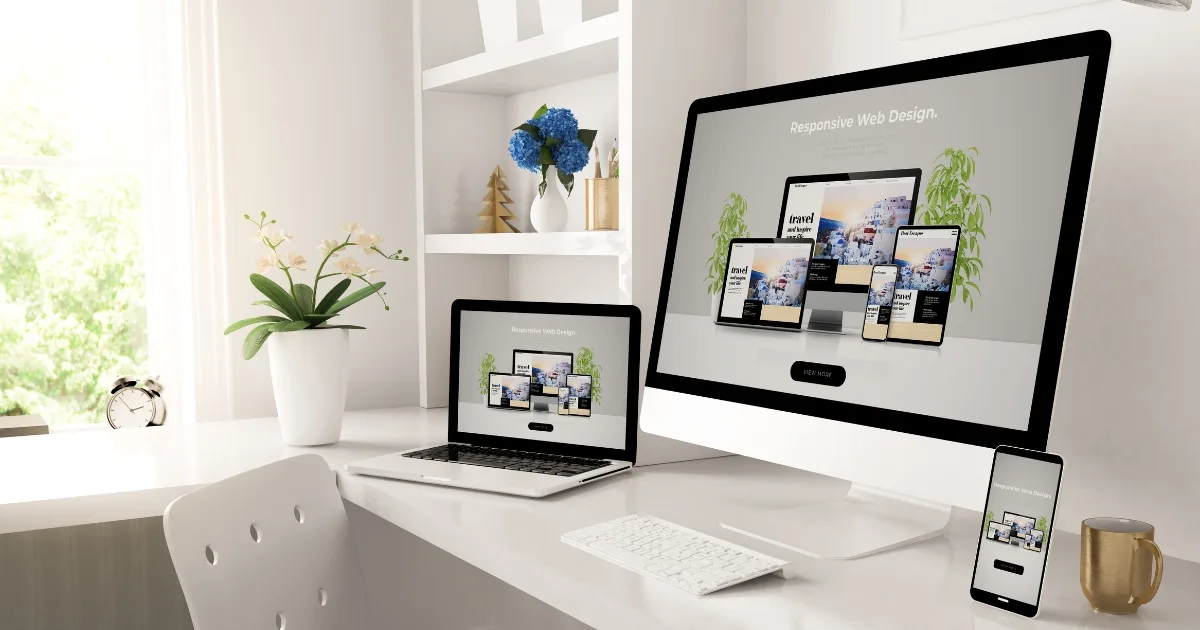
With the increasing use of mobile devices for browsing, responsive design is no longer optional; it’s a necessity. ensures that your website adapts seamlessly to different screen sizes, offering a consistent and user-friendly experience across all devices.
Mobile responsiveness is not only crucial for user experience but also impacts search engine rankings. Search engines like Google prioritise mobile-friendly websites in their results, so a responsive design is essential for your website’s visibility and organic traffic.
During the redesign process, consider adopting a mobile-first approach. Design the mobile version of your website first, and then expand to larger screens. This approach ensures that your website’s core functionalities and content are optimised for mobile users, providing a solid foundation for the desktop version.
Prioritise website speed and performance
In the digital age, users demand instant gratification. Slow-loading websites lead to high bounce rates and lost opportunities. During the redesign process, prioritise website speed and performance to ensure a smooth and swift user experience.
Optimise images, enable browser caching, and utilise content delivery networks (CDNs) to distribute website assets efficiently. Regularly test the website’s loading times and make necessary adjustments to improve performance.
Consider employing lazy loading techniques to defer loading non-essential elements until they are needed, reducing initial load times. Compress CSS, JavaScript files, and HTML to minimise file sizes and improve loading speeds. Implementing these performance optimisations will not only enhance user experience but also positively impact your website’s SEO ranking.
Implement intuitive navigation
User-friendly navigation is a cornerstone of an effective website redesign. A clear and intuitive navigation menu helps visitors find what they’re looking for quickly and easily. Avoid overwhelming users with too many menu items; instead, categorise content logically and use descriptive labels.
Consider implementing a sticky navigation bar that remains visible as users scroll down the page. This ensures that important navigation options are always accessible, improving user engagement and reducing frustration.
Investigate the potential of employing mega menus for websites with a complex information architecture. Mega menus can display multiple levels of navigation options, helping users find relevant content efficiently. However, ensure that mega menus are well-organised and not cluttered to maintain ease of use.
Maintain consistent branding
A website redesign should align with your brand’s visual identity and messaging. Consistent branding across all aspects of your website helps build brand recognition and fosters trust with your audience. Use your brand colours, logo, and typography consistently throughout the redesign.
A cohesive brand identity strengthens your website’s credibility and leaves a lasting impression on visitors. Ensure that the redesigned website reflects your brand’s values and personality while reinforcing the trust you’ve established with your existing customer base.
Incorporate your brand story and mission into the website’s content to create an emotional connection with visitors. Utilise compelling visuals and graphics that align with your brand’s tone and personality. Consistent branding will not only attract new customers but also strengthen the loyalty of your existing customer base.
Start your website redesign journey with JezNorthWeb
A successful website redesign project requires careful planning, a deep understanding of your target audience, and a commitment to improving user experience. By defining clear goals, focusing on responsive design, and prioritising website speed and performance, you can create a website that leaves a lasting impact on your visitors.
At JezNorthWeb, we specialise in website redesign projects that deliver tangible results for our clients. Our expert team of designers and developers understands the intricacies of creating modern, user-centric websites that drive business growth. Contact us today to discuss your website redesign needs and take the first step towards a revamped online presence that sets your brand apart from the competition. Let us help you unlock the full potential of your website through an exceptional redesign experience.