The current state of web design
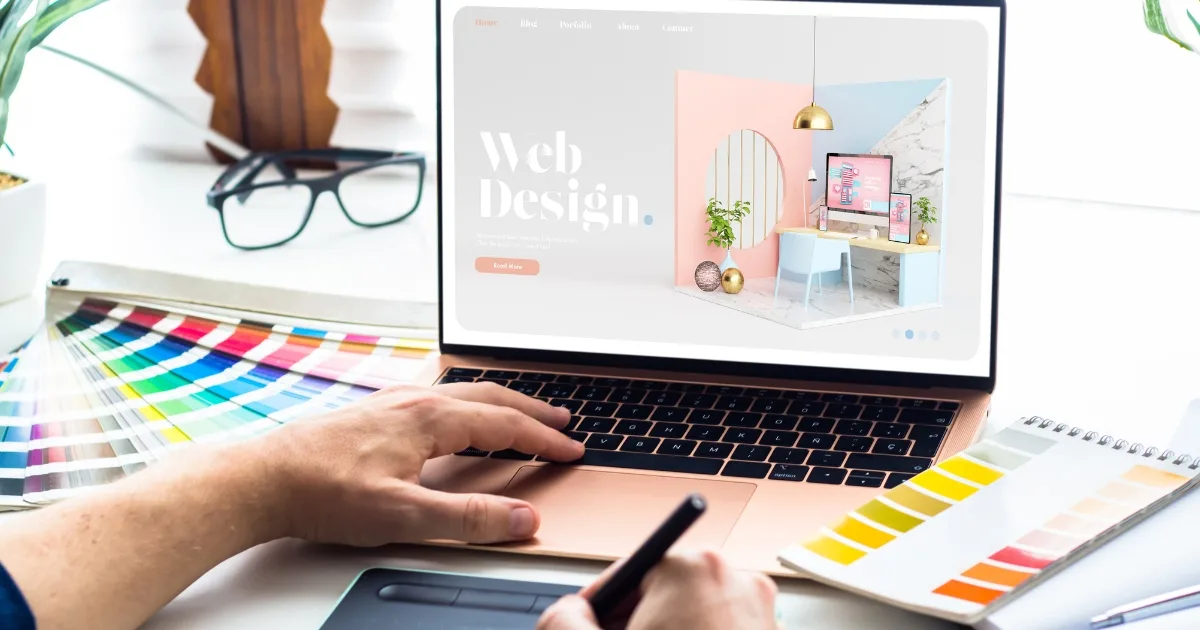
Web design has come a long way since the early days of the internet. With the advancement of technology and the ever-changing demands of users, web designers have had to adapt and evolve to keep up. The current state of web design is one that is constantly in flux, with new technologies, trends, and best practices emerging all the time.
Web design has become a crucial aspect of any business’s online presence. A well-designed website can help a company to establish credibility, increase brand awareness, and drive sales. On the other hand, a poorly designed website can have the opposite effect, driving away potential customers and damaging a company’s reputation.
The future of web design is rapidly evolving, and the coming year promises to bring even more changes and advancements. From artificial intelligence and machine learning to virtual and augmented reality, the technologies that are shaping the future of web design are both exciting and challenging. New design trends such as minimalistic design, the use of bold colours and gradients, and increased animation and micro-interactions are making waves in the industry.
As web designers, it is important to stay informed about the latest advancements and trends to stay ahead of the curve and provide the best possible user experience. The current state of web design is rapidly evolving, with new technologies and trends emerging all the time. The future of web design in 2023 promises to be even more exciting.
In this article, we will explore the future of web design and what to expect in the coming year, including advancements in technology, new design trends, and the importance of accessibility and inclusion in web design.
Advancements in technology
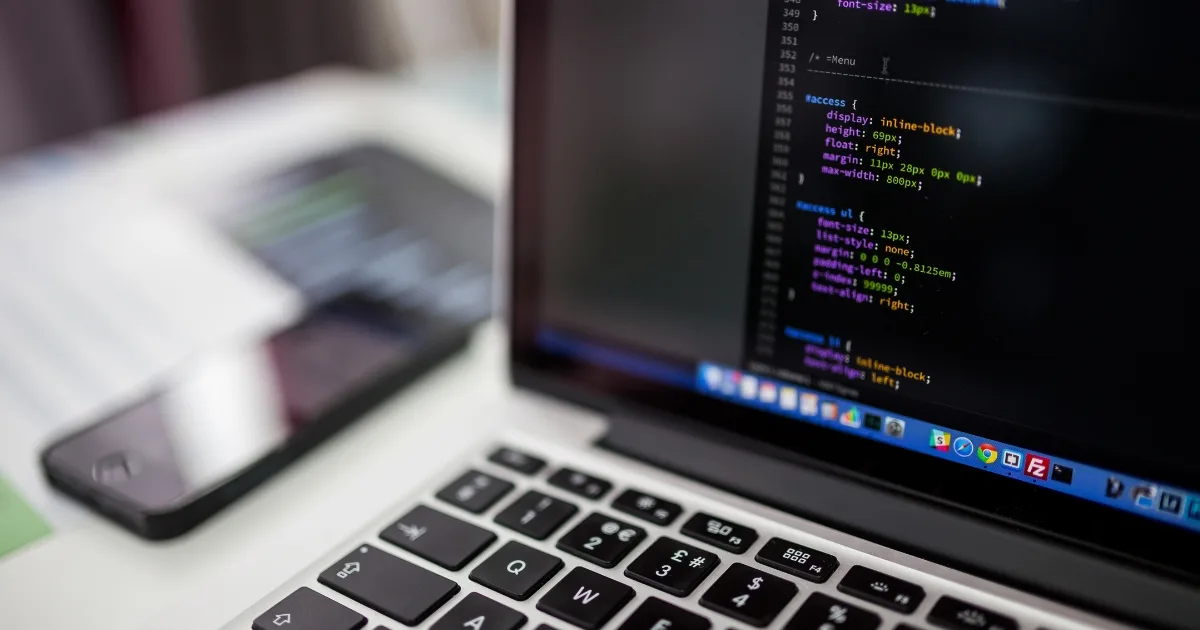
One of the biggest ways in which the future of web design is evolving is through advancements in technology. The following are some of the most notable ways in which technology is shaping the future of web design.
Artificial intelligence and machine learning
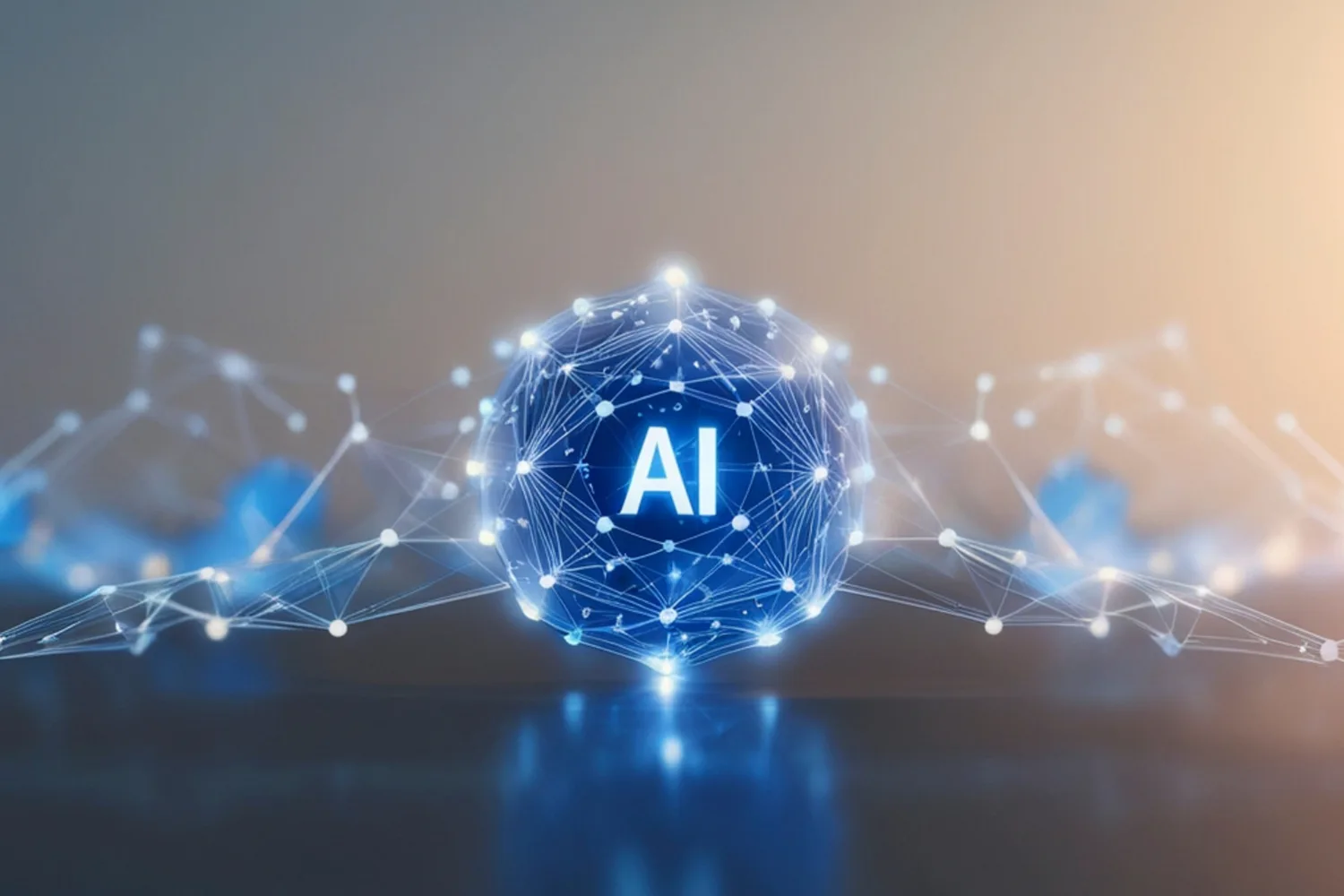
Artificial Intelligence (AI) and machine learning are becoming increasingly prevalent in web design. These technologies are being used to create more personalised and intuitive user experiences, as well as to automate repetitive tasks such as image recognition and content optimisation. For example, AI-powered chatbots can be used to provide instant customer service, while machine learning algorithms can be used to optimise website content for search engines.
Virtual and augmented reality
Virtual and augmented reality are set to revolutionise the way we interact with websites. These technologies allow users to interact with digital content in a more immersive way, creating a more engaging user experience. For example, a virtual reality website could allow users to explore a 3D model of a product, while an augmented reality website could provide users with interactive instructions for assembling a piece of furniture.
Increased use of 3D elements
As web design technology becomes more advanced, designers are increasingly incorporating 3D elements into their work. 3D elements such as 3D images and animations can help to create a more immersive and engaging user experience. The use of 3D elements can also help to improve the overall aesthetics of a website.
Advancements in web typography
The use of web typography has also been rapidly evolving. With the introduction of new web fonts and web typography tools, designers can now create more visually appealing and readable text. The use of web typography is becoming more dynamic, with more interactive and animated typography.
Design trends to expect
Along with advancements in technology, there are also several design trends that are expected to shape the future of web design in the coming year:
Minimalistic design
Minimalistic design is a trend that has been gaining popularity in recent years and is expected to continue in the coming year. This design style emphasises simplicity and functionality, using clean lines and a limited colour palette. The goal is to create a website that is easy to navigate and allows users to find the information they need quickly and easily.
Use of bold colours and gradients
Bold colours and gradients are expected to be a big trend in web design in the coming year. These design elements can be used to create a visually striking and eye-catching website. Bold colours and gradients can also be used to create a sense of movement and energy on a website, making it more engaging for users.
Increased use of animation and micro-interactions
Animation and micro-interactions have become increasingly popular in web design in recent years. These elements can be used to create a more engaging user experience by providing visual feedback and cues, guiding users through a website, and adding a sense of personality to a website.
Greater emphasis on mobile design
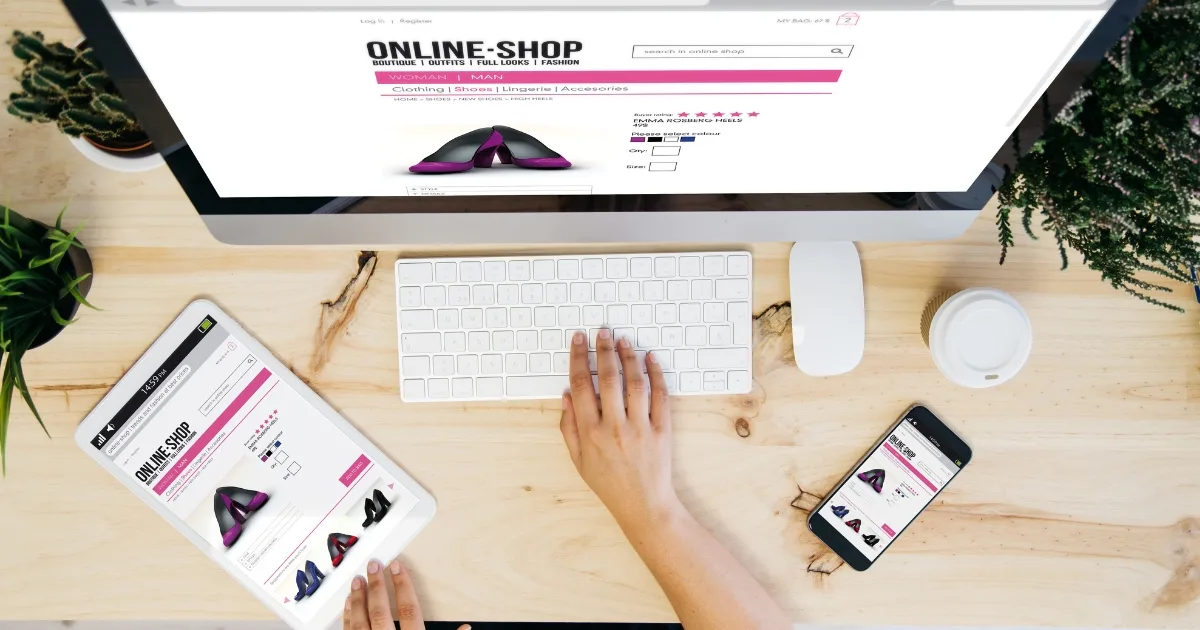
With more and more people accessing the internet from their mobile devices, mobile design is becoming increasingly important. Mobile-first design, which prioritises the user experience on mobile devices, is expected to be a big trend in the coming year. This includes designing for a smaller screen, using larger font sizes, and simplifying navigation.
Accessibility and inclusion
Accessibility and inclusion are becoming increasingly important in web design.
- Importance of accessibility in web design: Accessibility refers to the practice of designing websites that can be used by as many people as possible, including those with disabilities. This includes designing for users with visual, auditory, motor, and cognitive impairments. By making a website accessible, designers can ensure that their website can be used by the widest possible audience.
- Addressing accessibility issues through design: There are several ways in which designers can address accessibility issues in their work. This includes using clear and simple language, providing alternative text for images, and using appropriate headings and labels. Designers can also use web accessibility guidelines such as WCAG 2.0 to ensure that their website is accessible to as many users as possible.
- Inclusion of diverse perspectives in design: Inclusion refers to the practice of designing for a diverse audience. This includes designing for users with different backgrounds, cultures, and abilities. By including diverse perspectives in the design process, designers can ensure that their website is inclusive and welcoming to all users.
The future of web design
The future of web design is rapidly evolving, with new technologies and trends emerging all the time. From advancements in technology such as artificial intelligence and virtual reality to new design trends like minimalistic design and increased animation and micro-interactions, the future of web design promises to be both exciting and challenging.
Accessibility and inclusion are becoming increasingly important in web design, as designers strive to create websites that can be used by as many people as possible, including those with disabilities, and design for a diverse audience.
To stay ahead of the curve and provide the best possible user experience, it is important for web designers to stay informed about the latest advancements and trends in web design. This includes staying up to date on the latest technologies, design trends, and best practices for accessibility and inclusion.
Web design will continue to evolve in the coming year with new technologies and trends. Advancements in technology such as AI, VR, 3D elements, and web typography, new design trends like minimalistic design, bold colours and gradients, animations and micro-interactions, and greater emphasis on mobile design, and accessibility and inclusion will shape the future of web design. As web designers, it is important to stay informed and adapt to changes to provide the best possible user experience.
Contact JezNorthWeb to get your website updated with current trends and technologies. Contact us today!